Discover Allina: A Handwritten Font for Elegant Publishing
As I sat down to redesign the header for my lifestyle blog, I found myself in a familiar predicament: choosing the perfect font. It's a decision that can make or break the overall aesthetic and readability of your content. After hours of scrolling through countless options, I stumbled upon Allina, a flowing handwritten font that immediately caught my eye with its elegant touch and timeless style.
The Visual Character and Rhythm of Allina
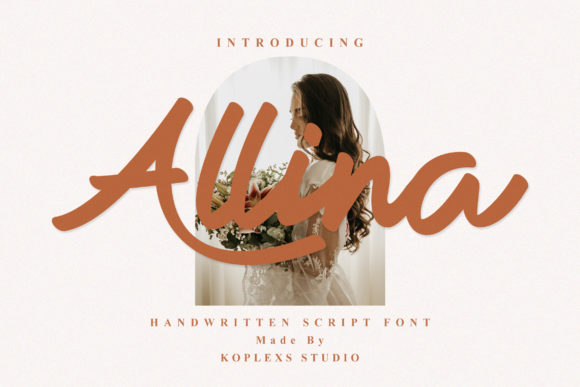
Allina is a premium font that exudes a sense of sophistication and grace. Its smooth, flowing lines and delicate curves give it a unique, handcrafted feel. The rhythm of the letters is both consistent and dynamic, making it a versatile choice for various editorial uses. Whether you're designing a blog header, a magazine cover, or an ebook title, Allina brings a touch of elegance that elevates the overall design.
Editorial Appeal and Practical Uses
In my experience, Allina shines in roles where it can make a statement. For instance, I used it for the main title of my recent recipe ebook, and it perfectly captured the inviting and personal tone of the content. The font's distinct personality makes it ideal for:
- Blog Headers: Adds a welcoming and personal touch to your blog's identity.
- Magazine Covers: Creates a striking and memorable first impression.
- Ebook Titles: Enhances the visual appeal and sets the right mood for the content.
- Newsletter Graphics: Draws attention and adds a touch of elegance to your emails.
- Pull Quotes and Section Headings: Highlights key points and breaks up text effectively.
Supporting Readability and Visual Hierarchy
While Allina is a beautiful display font, it's important to consider its readability, especially for longer texts. For body copy, I recommend pairing Allina with a clean, readable serif or sans serif font. This combination not only enhances the visual hierarchy but also ensures that your content remains accessible and engaging for your readers.
For example, in my coaching workbook, I used Allina for the chapter openers and pull quotes, while a classic serif font was used for the main text. This approach created a harmonious balance, making the workbook both visually appealing and easy to read.
Realistic Considerations and Limitations
While Allina is a fantastic choice for titles, subtitles, and decorative accents, it may not be the best fit for body copy or dense paragraphs. The expressive nature of the font can sometimes make it challenging to read in smaller sizes or in long-form content. Therefore, it's essential to use Allina judiciously, reserving it for elements where it can truly shine and add value.
Additionally, when using Allina in digital formats like PDFs or web pages, it's crucial to ensure that the font is properly embedded and supported across different devices and platforms. This will help maintain the integrity of your design and provide a seamless reading experience for your audience.
Practical Font Pairing and Design Assets
To create a cohesive and professional look, consider pairing Allina with complementary fonts. Here are a few suggestions:
- Serif Fonts: For a classic and elegant feel, pair Allina with a traditional serif font like Garamond or Baskerville.
- Sans Serif Fonts: For a modern and clean look, combine Allina with a sans serif font like Helvetica or Arial.
- Script Fonts: For a more playful and whimsical design, you can pair Allina with a lighter script font, but be cautious not to overdo it.
Before incorporating Allina into your projects, make sure to check for included styles, alternates, ligatures, and multilingual support. These features can add versatility and depth to your designs, allowing you to customize the font to better suit your specific needs. Additionally, always verify the commercial font licensing to ensure you have the right permissions for your intended use, whether it's for ebooks, templates, printables, or client publications.
In conclusion, Allina is a versatile and elegant handwritten font that can significantly enhance the visual and emotional impact of your publishing and content layout projects. With thoughtful consideration and strategic use, it can become a valuable asset in your design toolkit, helping you create stunning and engaging content that resonates with your audience.